
In the world of digital telecommunications, platforms and subdomains often appear without much public explanation. One such term that has sparked curiosity is mreco.airtel com. If you’ve come across it while browsing, checking Airtel services, or reviewing account-related activity, you might be wondering what it actually represents.
In this in-depth guide, we’ll break down everything you need to know about mreco.airtel com, how it connects with Airtel’s digital infrastructure, what it may be used for, and why users encounter it. I’ll explain this in a clear and professional way, but without unnecessary technical jargon—so whether you’re tech-savvy or just curious, you’ll understand it fully.
Understanding Airtel’s Digital Ecosystem
To understand mreco.airtel com properly, we first need to look at the broader digital structure of Bharti Airtel. Airtel is one of the largest telecommunications providers in Asia and Africa, offering mobile services, broadband, DTH, and enterprise solutions. With millions of customers interacting daily through apps, websites, and backend systems, Airtel relies heavily on structured digital architecture.
Large telecom companies don’t run everything on a single website. Instead, they use multiple subdomains and internal endpoints. These subdomains handle different responsibilities—billing, authentication, analytics, user recommendations, subscription validation, and more. Many of these endpoints are not meant for public browsing but serve internal technical functions.
That’s where something like mreco.airtel com fits in. The naming convention suggests that it may be part of a recommendation engine or mobile recognition system. The “mreco” portion likely stands for “mobile recommendation” or “marketing recommendation.” Companies like Airtel frequently deploy such systems to personalize offers, track user preferences, and optimize service suggestions.
What Is mreco.airtel com Likely Used For?
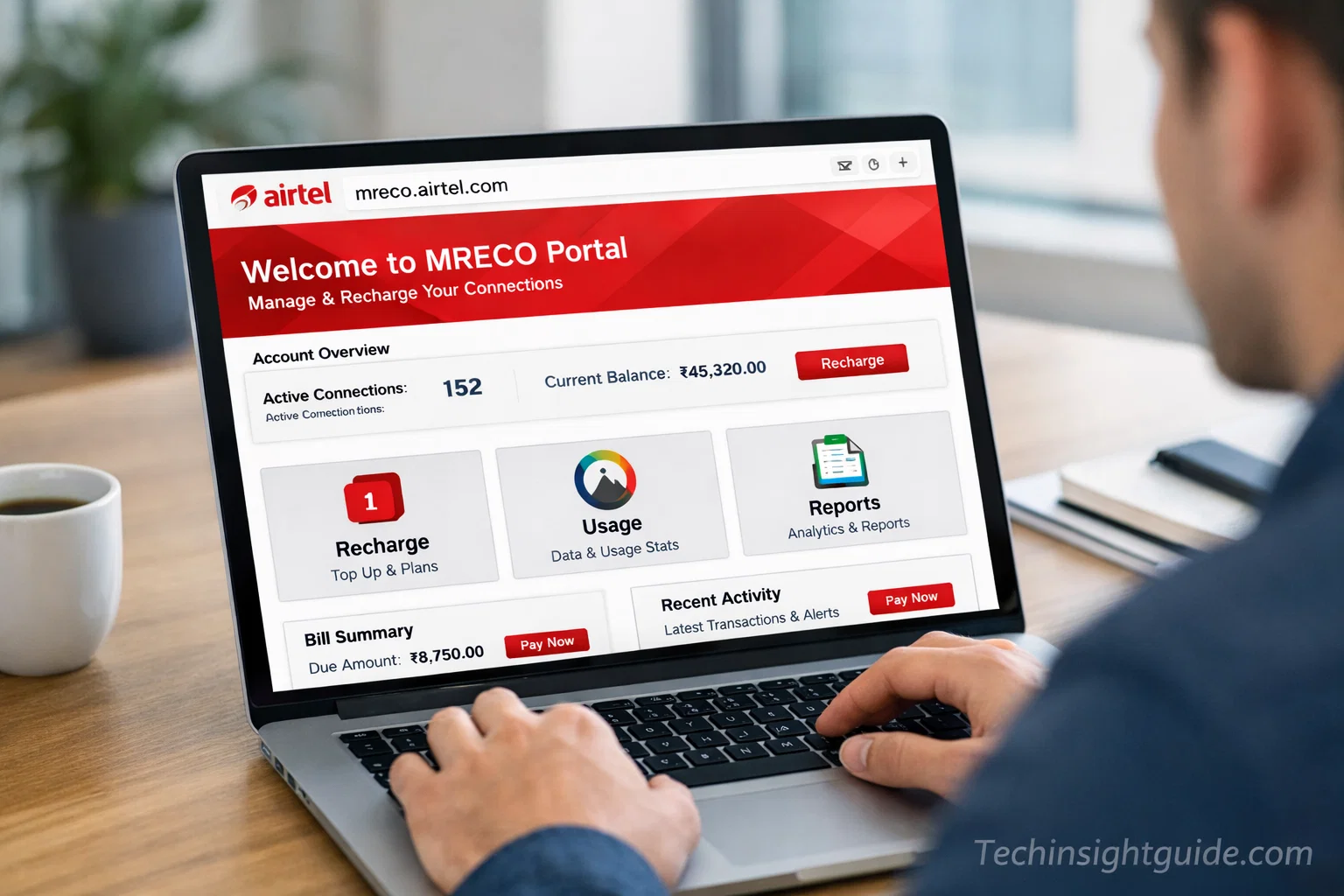
When users see mreco.airtel com, it is usually during account interactions, redirects, or background processes within Airtel’s systems. Based on standard telecom infrastructure practices, this type of subdomain is often associated with recommendation engines or automated service logic.
Telecom providers use recommendation systems to suggest data packs, recharge plans, OTT bundles, and promotional upgrades. For example, if a user frequently consumes high data volumes, the system might suggest a higher-tier unlimited plan. Similarly, if someone uses roaming often, the system may recommend international roaming packs.
Such personalization does not happen manually. It is powered by backend servers that analyze usage patterns, spending behavior, and subscription history. A domain like mreco.airtel com could function as a microservice endpoint that processes these analytics and delivers recommendations in real time.
It’s important to understand that seeing such a domain does not mean anything suspicious is happening. In most cases, it simply reflects a technical call happening in the background when you interact with Airtel services.
How Telecom Recommendation Engines Work
Modern telecom systems rely heavily on automation and machine learning. When you log into your Airtel account—whether through the app or browser—multiple background processes activate simultaneously.
First, authentication services verify your identity. Then billing systems check your balance. Next, marketing engines evaluate whether you are eligible for special promotions. This is where recommendation endpoints like mreco.airtel com may come into play.
These engines typically operate on three layers:
Data Collection Layer – Gathers user activity data such as recharge frequency, data usage, and service preferences.Analytics Layer – Uses algorithms to analyze patterns and identify potential upgrades or offersDelivery Layer – Pushes customized recommendations to the user interface.
Telecom giants invest heavily in this technology because personalization significantly improves customer retention and revenue. Instead of showing random offers, systems present relevant plans that match user behavior.
So, if you encounter mreco.airtel com, it is likely part of this automated decision-making process.
Is mreco.airtel com Safe?
Whenever users notice unfamiliar domains, the first concern is security. That’s completely understandable. Cybersecurity threats are real, and being cautious is wise.
However, mreco.airtel com appears structurally consistent with official Airtel infrastructure. The “airtel com” domain is owned and managed by Bharti Airtel, meaning any subdomain under it typically belongs to the company’s internal system.
Subdomains are common in large organizations. For example, support portals, payment gateways, and API endpoints often operate under unique prefixes. Just because something isn’t publicly documented doesn’t mean it is unsafe.
That said, users should always verify:The URL ends exactly in airtel.com.There are no spelling variations.The connection uses HTTPS encryption.The interaction originates from official Airtel platforms.
If all these conditions are met, the subdomain is almost certainly legitimate.
Why You Might See mreco.airtel com
There are several scenarios in which a user may encounter this domain:While Recharging Online
When recharging through Airtel’s website or app, backend systems check eligibility for cashback, bonus data, or limited-time upgrades. The recommendation system may be triggered during this process During App Login
The Airtel app loads personalized dashboards showing recommended plans or add-ons. Behind the scenes, a recommendation endpoint may generate those suggestions dynamically Promotional Campaign Interactions
If Airtel runs a targeted marketing campaign, certain users may be routed through a recommendation microservice to determine eligibility.
In all these cases, the domain operates silently in the background. It is not a public-facing webpage designed for browsing.
The Role of Microservices in Telecom Platforms
To understand this further, we need to discuss microservices architecture. Traditional websites used monolithic systems where everything ran on a single server. Modern telecom companies, however, use distributed microservices.
Microservices break complex operations into smaller independent services. Each service handles a specific function—billing, notifications, authentication, analytics, or recommendations.
A domain like mreco.airtel com likely represents one such microservice. It may not even host visible content. Instead, it probably processes API requests and returns structured data to other systems.
This architecture improves:ScalabilitySystem reliabilitySpeed of feature deploymeFault isolatio
For example, if the recommendation engine experiences downtime, it won’t crash the billing system. That’s the advantage of separating functions into microservices.
Why Telecom Companies Invest in Recommendation Systems
From a business perspective, recommendation engines are powerful tools. They help telecom providers:Increase average revenue per user (ARPU)Reduce churn ratesPromote new services efficientlyPersonalize user experiences
When a telecom provider understands usage patterns, it can design better plans and promote them intelligently. For instance, heavy streaming users may receive OTT bundle suggestions, while light users may get budget-friendly options.
This strategic personalization is often powered by advanced analytics systems working quietly in the background. Mreco.airtel com fits the pattern of such a system endpoint.
Common Misunderstandings About Subdomains
One common misconception is that unfamiliar subdomains automatically signal hacking or phishing attempts. In reality, large enterprises use hundreds of subdomains.
The key difference between legitimate subdomains and phishing attempts lies in domain ownership. If the root domain is authentic—such as airtel.com—it is generally part of the official infrastructure.
Phishing sites typically mimic domains with slight spelling changes. Always double-check spelling and SSL certification before interacting with any platform.
Final Thoughts on mreco.airtel com
At first glance, mreco.airtel com may look mysterious. However, when examined through the lens of telecom technology and digital infrastructure, it makes perfect sense.
It likely functions as a recommendation or analytics microservice within Airtel’s broader ecosystem. It helps personalize offers, improve user experience, and optimize service suggestions based on customer behavior.
For everyday users, there is no action required. It operates quietly in the background and is part of Airtel’s technical framework.
Understanding how telecom companies structure their digital environments not only removes confusion but also builds confidence. Technology often looks complicated from the outside, but once you break it down logically, everything connects.