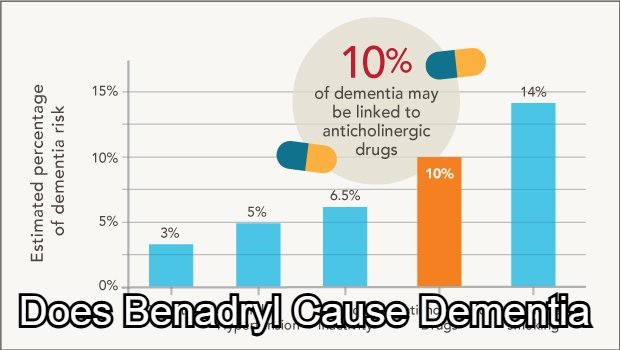
When people search for “does Benadryl cause dementia,” they’re usually not just curious—they’re concerned. It’s a fair question. Benadryl is one of the most commonly used over-the-counter medications in the world. Many people take it for allergies, itching, colds, or even as a sleep aid. It’s been around for decades and is widely considered safe when used as directed.
But over the last several years, headlines have raised alarms about certain medications and their possible link to cognitive decline. Some reports suggest that long-term use of certain drugs may increase the risk of memory problems or even dementia. That’s enough to make anyone pause—especially older adults who may already be concerned about brain health.
So let’s break it down clearly and carefully. Does Benadryl cause dementia? The answer isn’t a simple yes or no. It’s more nuanced than that, and understanding the details makes all the difference.
Understanding Benadryl and How It Works
To Does Benadryl Cause Dementia the concern, we first need to look at what Benadryl actually does in the body. The active ingredient in Benadryl is diphenhydramine, which is classified as a first-generation antihistamine. Antihistamines block histamine, a chemical involved in allergic reactions.
However, diphenhydramine doesn’t just block histamine. It also has strong anticholinergic properties. That means it blocks acetylcholine, a neurotransmitter that plays a critical role in memory, learning, and overall brain function. Acetylcholine is especially important in areas of the brain responsible for cognition.
This is where the concern begins. Reduced acetylcholine activity has long been associated with memory impairment. In fact, many treatments for Alzheimer’s disease aim to increase acetylcholine levels in the brain. So when a drug does the opposite—blocking it—it raises questions about long-term cognitive effects.
It’s important to note that short-term use of diphenhydramine can cause temporary side effects such as drowsiness, confusion, blurred vision, and Does Benadryl Cause Dementia lapses. These effects are well documented and usually resolve once the medication is stopped. The bigger question is whether long-term use causes lasting damage.
What the Research Says About Anticholinergic Drugs and Dementia
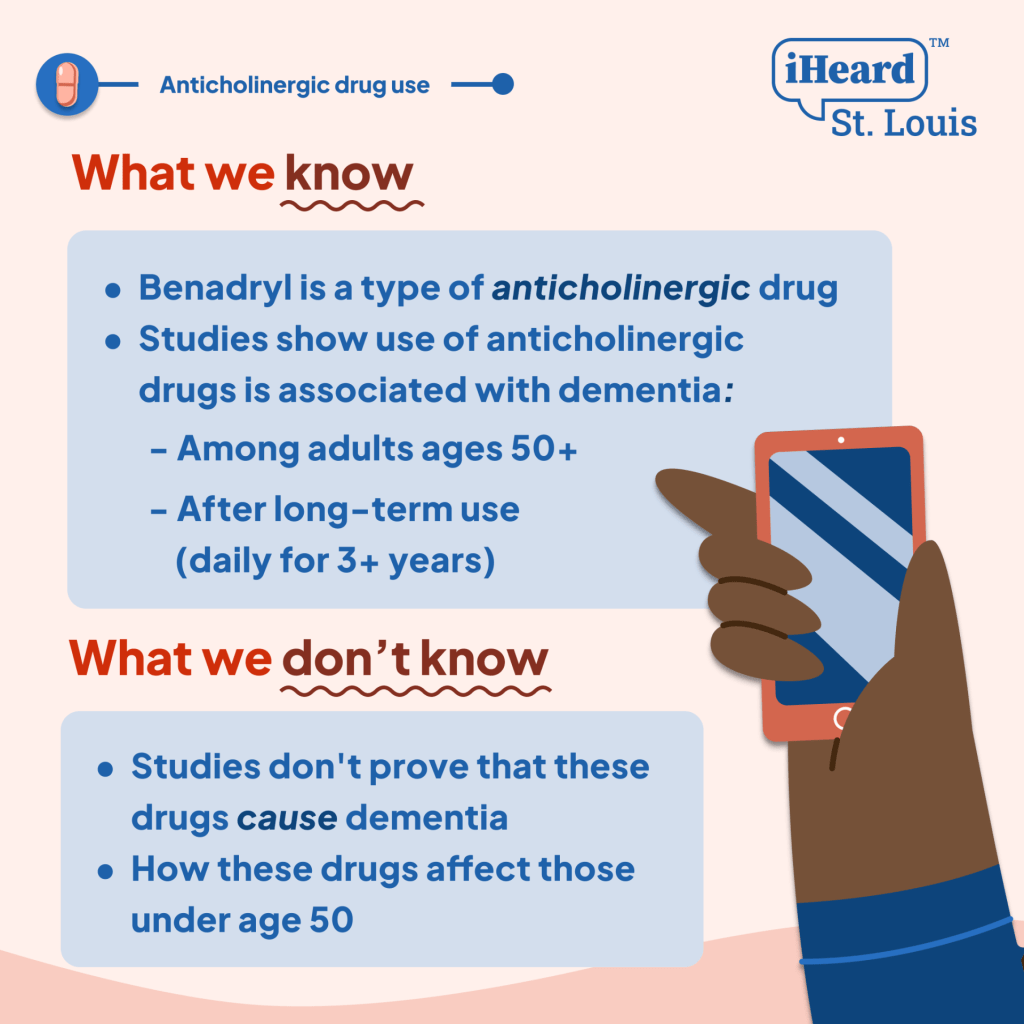
Several Does Benadryl Cause Dementia studies over the past decade have examined the connection between anticholinergic medications and dementia risk. One of the most cited studies was published in 2015 in JAMA Internal Medicine. It found that higher cumulative use of strong anticholinergic drugs over several years was associated with an increased risk of dementia.
Diphenhydramine, the active ingredient in Benadryl, was included in the category of strong anticholinergics. According to the study, people who used high doses over extended periods—especially three years or more—had a higher risk of developing dementia compared to those who did not use these medications.
However, there are key points to keep in mind. First, these studies show association, not causation. That means researchers found a link, but they cannot definitively prove that the medication directly caused dementia. There may be other factors involved, such as underlying health conditions or lifestyle variables.
Second, the increased risk was seen primarily in Does Benadryl Cause Dementia-term, high-dose users. Occasional or short-term use was not strongly linked to dementia in these studies. That distinction is extremely important and often overlooked in headlines.
Short-Term Use vs. Long-Term Use: Why It Matters
If you take Does Benadryl Cause Dementia once in a while for seasonal allergies or a bee sting, there is no strong evidence suggesting that this occasional use will cause dementia. Short-term use can make you sleepy or temporarily foggy, but those effects typically go away once the drug leaves your system.
The concern arises with chronic, daily use—especially in older adults. Some people take diphenhydramine nightly as a sleep aid. Over months or years, this repeated exposure may contribute to cumulative anticholinergic burden. The brain, particularly in older individuals, may be more vulnerable to these effects.
As we age, the brain becomes more sensitive to medications that interfere with neurotransmitters. The blood-brain barrier may also become less effective, allowing more of the drug to enter brain tissue. That’s why many geriatric guidelines caution against routine use of first-generation antihistamines in older adults.
For example, the Does Benadryl Cause Dementia Geriatrics Society includes diphenhydramine on its Beers Criteria list of potentially inappropriate medications for older adults. This doesn’t mean it should never be used, but it does mean caution is advised.
Does Benadryl Directly Cause Dementia?
Based on current Does Benadryl Cause Dementia , we cannot say that Benadryl directly causes dementia. What we can say is that long-term use of strong anticholinergic medications has been associated with an increased risk of dementia in some studies.
Association does not equal causation. It’s possible that people taking anticholinergic drugs long-term already had early symptoms of cognitive decline, sleep problems, or other conditions that increased their risk. In other words, the medication might be a marker rather than the root cause.
That said, the biological mechanism makes the concern plausible. Chronic suppression of acetylcholine could theoretically contribute to cognitive decline over time. This is why many experts recommend minimizing long-term use when possible, especially in older adults.
So the honest expert answer is this: Benadryl is not proven to cause dementia, but long-term, high-dose use may increase risk, particularly in vulnerable populations.
Who Should Be Most Careful?
Older adults are the group that should be most cautious. The risk of dementia naturally increases with age, and aging brains are more sensitive to anticholinergic effects. If someone is over 65 and taking diphenhydramine regularly, it’s worth discussing alternatives with a healthcare provider.
People already experiencing mild cognitive impairment should also avoid unnecessary anticholinergic medications. Blocking acetylcholine in a brain that is already struggling with memory can worsen symptoms.
Additionally, individuals taking multiple medications should be aware of cumulative anticholinergic burden. Many drugs—not just Benadryl—have anticholinergic properties. The combined effect may be more significant than any single medication alone.
If sleep is the main reason for takiDoes Benadryl Cause Dementiag diphenhydramine, safer alternatives may exist. Behavioral strategies for insomnia, improved sleep hygiene, or non-anticholinergic medications may be better long-term options.
Practical Advice: Should You Stop Taking Benadryl?
If you use Benadryl Does Benadryl Cause Dementia for allergies or a short-term issue, there is no strong evidence suggesting you need to panic or stop immediately. Used appropriately and infrequently, it remains an effective medication.
However, if you are taking it daily—especially as a sleep aid—it may be wise to reevaluate. Talk to your doctor before making changes, particularly if you’ve been using it for a long time. They can help assess your overall risk and suggest alternatives.
There are newer, second-generation antihistamines that do not have Does Benadryl Cause Dementia anticholinergic effects and are less likely to cause cognitive side effects. These may be better choices for long-term allergy management.
The key is balance. Every medication has risks and benefits. The goal is not to create fear but to make informed decisions based on evidence.
Final Thoughts: The Bigger Picture on Brain Health
When it comes to Does Benadryl Cause Dementia , no single factor determines risk. Genetics, lifestyle, cardiovascular health, sleep quality, and overall brain stimulation all play important roles. Medications are just one piece of a much larger puzzle.
The conversation about Benadryl and dementia highlights a broader issue: being mindful of long-term medication use. Just because a drug is available over the counter does not mean it’s harmless when taken chronically.
If you are concerned about dementia risk, focus on proven protective strategies: regular exercise, a balanced diet, good sleep, mental stimulation, and social engagement. Review your Does Benadryl Cause Dementia periodically with your healthcare provider, especially as you age.