Sã³fbol is one of the most exciting and accessible bat-and-ball sports played around the world today. Known for its fast pace, teamwork, and strategic gameplay, the sport attracts millions of players and fans across schools, amateur leagues, and professional competitions. While it shares similarities with baseball, sã³fbol has its own unique style, rules, and culture that make it special.
Many people discover sã³fbol through school programs, community leagues, or international tournaments. The sport is especially popular because it is easier to learn for beginners while still offering plenty of competitive depth for advanced athletes. Whether played recreationally in local parks or professionally on international stages, sã³fbol continues to grow in popularity every year.
In this guide, we will explore everything about sã³fbol—from its origins and rules to the skills needed to succeed. If you’re new to the sport or simply want to understand it better, this comprehensive article will walk you through all the essential details.
What Is Sã³fbol?
Sã³fbol is a bat-and-ball sport that is closely related to baseball but has several distinctive features. The game is typically played between two teams of nine or ten players who take turns batting and fielding. The main objective is simple: score more runs than the opposing team by hitting the ball and running around bases arranged in a diamond shape.
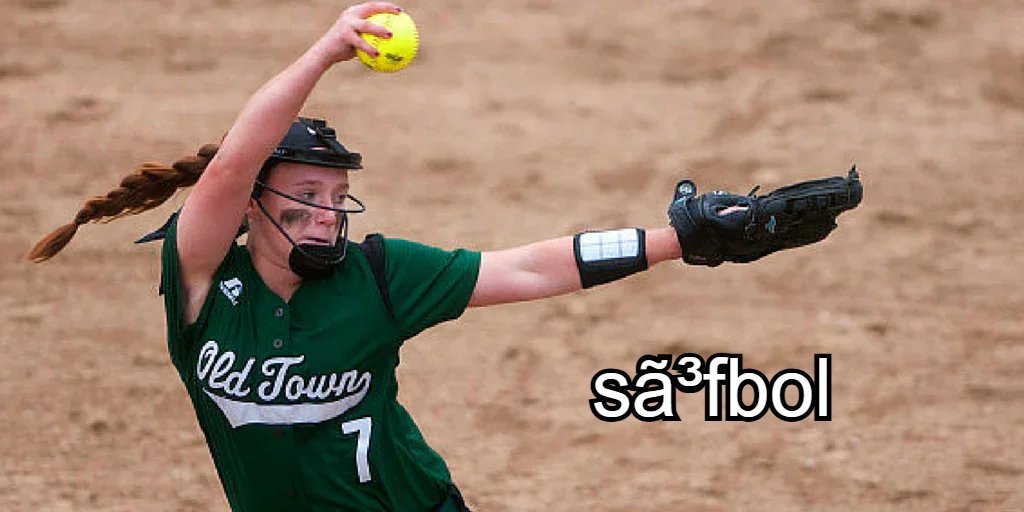
One of the defining characteristics of sã³is the pitching style. Unlike baseball, where pitchers throw overhand, sã³fbol pitchers deliver the ball using an underhand motion. This pitching technique creates a unique gameplay rhythm and often leads to faster reaction times for batters and fielders.
Another notable difference is the size of the ball and the dimensions of the field. In sã³fbol, the ball is larger and the playing field is generally smaller compared to baseball. These adjustments make the sport more accessible for players of various ages and skill levels, which is one reason it is widely played in schools and community leagues.
The History and Origins of Sã³fbol
The history of sã³fbol dates back to the late 19th century. The sport was first created as an indoor variation of baseball, allowing people to play during the winter months. The earliest versions of the game used a softer ball and a smaller field, which made it suitable for indoor environments such as gymnasiums.
Over time, the sport evolved and moved outdoors. As its popularity increased, standardized rules were developed, and organized leagues began to form. Schools and recreational clubs quickly adopted sã³because it was easy to set up and required minimal equipment compared to other organized sports.
By the mid-20th century, sã³fbol had become an internationally recognized sport. Amateur and professional tournaments began appearing around the world, and national teams started competing in global championships. Today, sã³fbol continues to be played in many countries, with strong participation in North America, Asia, and parts of Europe.
Basic Rules and Gameplay of Sã³fbol
Understanding the rules of sã³fbol helps fans and players appreciate the strategy behind the game. Like baseball, the match is played in innings. Each inning consists of two halves: one team bats while the other team fields. Once three batters are put out, the teams switch roles.
When a player from the batting team hits the ball into the field, they attempt to run around the four bases in sequence—first base, second base, third base, and finally home plate. Successfully completing this circuit scores a run for the team. Defensive players try to stop runners by catching the ball, tagging the runner, or forcing them out at a base.
Pitching plays a crucial role in sã³fbol. The pitcher stands in the center of the field and throws the ball underhand toward the batter. The batter must decide quickly whether to swing at the pitch or let it pass. Strategic pitching and disciplined batting often determine the outcome of the game.
Skills Needed to Excel in Sã³fbol
To become successful in sã³fbol, players need to develop a combination of physical and mental skills. One of the most important abilities is hand-eye coordination. Batters must accurately track the pitch and time their swing perfectly to make solid contact with the ball.
Fielding skills are equally essential. Players must react quickly to hit balls, catch fly balls, and make accurate throws to bases. Quick decision-making and communication among teammates are key components of effective defensive play.
Fitness and agility also play major roles in the sport. Players frequently sprint between bases, dive for balls, and adjust their positioning on the field. Regular training, conditioning, and practice help athletes improve their performance and reduce the risk of injury during games.
Why Sã³fbol Is So Popular
One reason for the widespread popularity of sã³fbol is its accessibility. The sport can be played by people of different ages and skill levels, making it ideal for schools, recreational leagues, and community programs. Unlike some sports that require extensive equipment or facilities, sã can be played with relatively simple gear.
Another factor is the strong sense of teamwork involved in the game. Every player on the field has a specific role, and success depends on how well the team works together. This collaborative nature makes the sport both fun and socially engaging.
Sã³fbol also offers a balance between strategy and athleticism. Coaches and players must constantly analyze situations, plan plays, and adapt their tactics throughout the game. This strategic depth keeps both participants and spectators interested from the first pitch to the final out.
Different Types of Sã³fbol
There are several variations of sã³fbol that are played around the world. The two most common formats are fast-pitch and slow-pitch sã³fbol. Each version has its own style of gameplay and appeals to different groups of players.
Fast-pitch sã³fbol is typically played at competitive levels, including school teams, college leagues, and professional tournaments. The pitching speed is significantly higher, and the game emphasizes quick reactions, strong pitching, and precise defensive skills.
Slow-pitch sã³fbol, on the other hand, is often played in recreational leagues. The ball is pitched in a high arc, making it easier for batters to hit. This version focuses more on fun and participation rather than intense competition, which makes it popular among adult recreational players.
The Future of Sã³fbol
The future of sã³fbol looks promising as the sport continues to expand globally. Many youth programs are introducing the game to new generations of players, ensuring that interest remains strong for years to come. Schools and sports organizations are also investing more resources into developing talented athletes.
International competitions and professional leagues are helping raise the profile of the sport. With increased media coverage and global tournaments, sã³fbol is reaching audiences who may not have previously been familiar with the game.
Technology and training methods are also improving how athletes prepare and compete. From advanced coaching strategies to performance analytics, modern tools are helping players reach higher levels of skill and competitiveness.
Conclusion
Sã³fbol is much more than just a variation of baseball—it is a dynamic and exciting sport with its own identity, traditions, and passionate community. From its humble indoor beginnings to its modern international presence, the sport has evolved into one of the most widely played team games in the world.
Its simple rules, accessible gameplay, and strong emphasis on teamwork make sã³fbol appealing to players of all backgrounds. Whether someone is stepping onto the field for the first time or competing at a professional level, the sport offers endless opportunities for growth, competition, and enjoyment.
As more people discover the excitement of sã³fbol, its global influence will likely continue to grow. For fans, athletes, and newcomers alike, the sport remains a thrilling example of how teamwork, skill, and strategy come together on the field.