If Miebo Eye Drops Cost recently been prescribed Miebo eye drops, chances are your first question wasn’t just about how to use them — it was about the cost. Eye medications, especially newer prescription drops, can be surprisingly expensive. In this detailed guide, we’ll break down everything you need to know about Miebo eye drops cost, why it’s priced the way it is, how insurance affects pricing, and what options you may have to reduce your out-of-pocket expenses.
Whether you’re dealing with chronic dry eye or exploring treatment alternatives, this expert yet practical guide will help you make an informed decision.
What Is Miebo and Why Is It Different?
Miebo is a Miebo Eye Drops Cost eye drop approved for the treatment of dry eye disease, specifically targeting evaporative dry eye. Unlike traditional artificial tears that simply lubricate the surface of the eye, Miebo works by addressing tear film instability — one of the root causes of chronic dry eye symptoms.
What makes Miebo unique is its active ingredient, perfluorohexyloctane. It is a water-free, preservative-free solution that helps reduce tear evaporation. That’s important because many dry eye sufferers have Meibomian gland dysfunction (MGD), which causes the oily layer of tears to be insufficient. Miebo essentially supplements that missing layer, preventing tears from evaporating too quickly.
Because it uses a novel Miebo Eye Drops Cost and advanced technology, Miebo is categorized as a premium, brand-name medication. And as with many newer ophthalmic drugs, innovation often comes with a higher price tag.
Average Miebo Eye Drops Cost Without Insurance
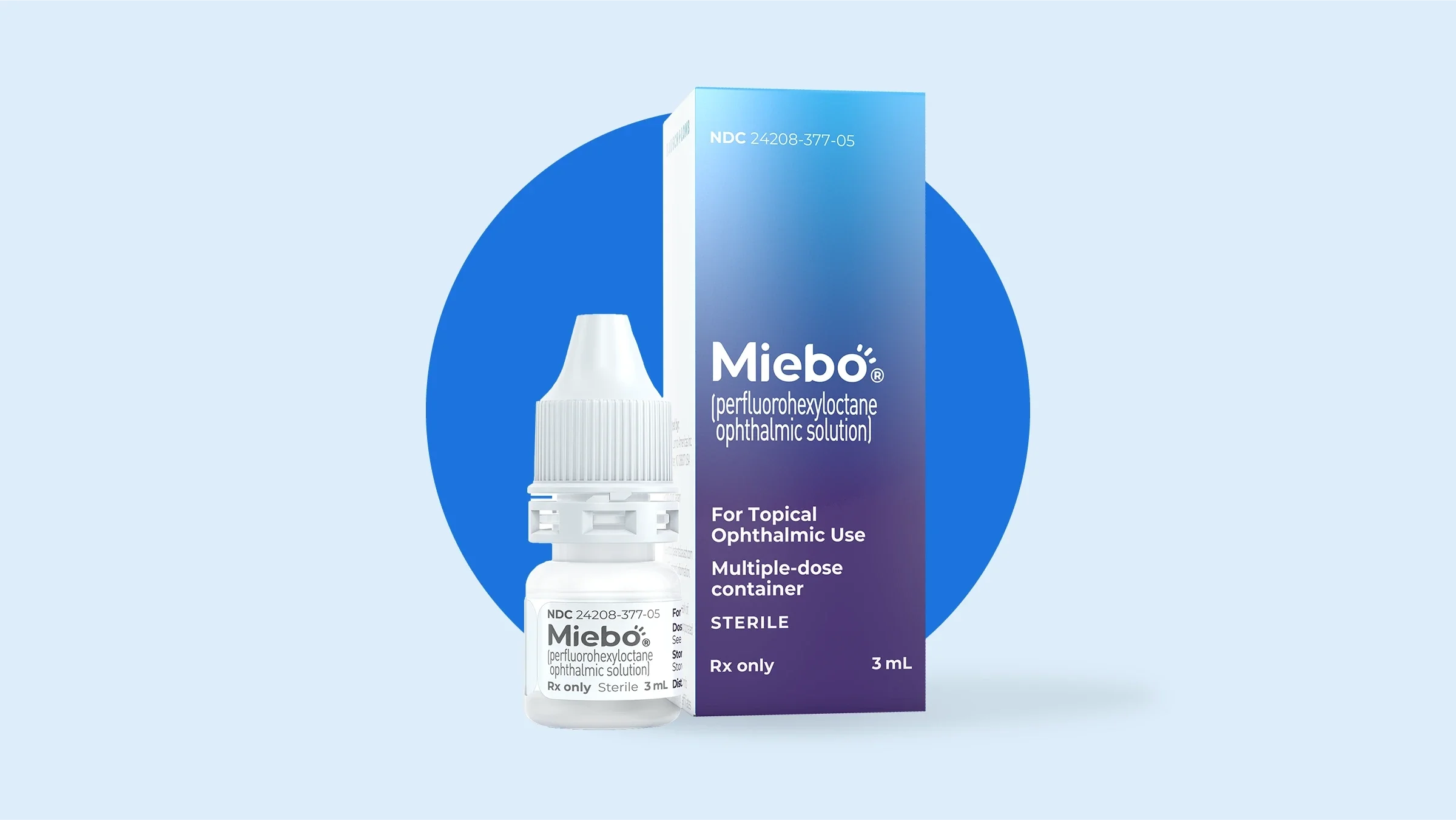
Now let’s get to the question most people are asking: How much do Miebo eye drops cost?
Without insurance, the retail price of Miebo can range between $700 to $900 for a one-month supply in the United States. Prices vary depending on the pharmacy, geographic location, and whether any discounts are applied.
This pricing places Miebo in the same premium category as other branded dry eye treatments likeRestasisXiidra
However, pricing comparisons aren’t always straightforward. Restasis and Xiidra target inflammation, while Miebo primarily targets tear evaporation. So while they’re all used for dry eye, they work differently and may not be interchangeable.
The high retail cost largely reflects Miebo Eye Drops Cost and development expenses, brand exclusivity, and the absence of a generic equivalent. Currently, there is no generic version of Miebo available, which significantly impacts affordability.
How Insurance Affects Miebo Eye Drops Cost
Insurance coverage can dramatically change how much you pay for Miebo. If your health insurance plan includes prescription drug coverage, your out-of-pocket cost may drop significantly — sometimes to as low as $30 to $80 per month, depending on your plan tier and deductible.
However, there are a few important factors to consider:
First, Miebo is often classified as a Tier 3 or specialty medication under many insurance formularies. This means higher copays or coinsurance rates may apply. Some plans may also require prior authorization, meaning your doctor must demonstrate medical necessity before coverage is approved.
Second, not all insurance plans cover Miebo. Because it is relatively new to the market, some insurers may exclude it from their preferred drug lists. In those cases, you may need to file an appeal or explore manufacturer savings programs.
It’s always wise to call your Miebo Eye Drops Cost provider directly or ask your pharmacy to run a coverage check before filling your prescription.
Manufacturer Savings Programs and Coupons
Here’s where things get more hopeful.
The Miebo Eye Drops Cost of Miebo often provides savings programs for eligible patients. These programs can significantly reduce the monthly cost, sometimes bringing it down to $0 to $50 per month for commercially insured patients.
However, there are limitations. Savings cards typically do not apply to patients with government insurance programs such as Medicare or Medicaid. Additionally, there may be annual maximum savings caps.
Some pharmacies also offer discount programs or partner with prescription savings platforms. While these discounts may not be as generous as manufacturer coupons, they can still reduce the retail price by a noticeable margin.
If cost is a concern, ask your eye doctor’s office if they have sample units available. Many ophthalmology clinics receive starter samples that can help offset the first month’s expense.
Why Is Miebo So Expensive?
From a patient’s Miebo Eye Drops Cost , a $700+ price tag feels steep — and understandably so. But there are several reasons behind the high cost.
First, drug development is extremely expensive. Pharmaceutical companies invest hundreds of millions (sometimes billions) of dollars in clinical trials, regulatory approvals, and post-marketing surveillance. Those costs are often recouped during the patent-protected years of a brand-name drug.
Second, Miebo represents a newer approach to treating evaporative dry eye. Innovative delivery systems and specialized formulations often command premium pricing in the early years after launch.
Third, there is currently no generic competition. Generic drugs significantly lower prices once patents expire. Until that happens, the manufacturer maintains pricing control.
While these reasons explain the Miebo Eye Drops Cost , they don’t necessarily make it easier for patients. That’s why exploring financial assistance options is so important.
Comparing Miebo to Other Dry Eye Treatments
When evaluating Miebo eye drops cost, it’s helpful to consider alternatives. As mentioned earlier, drugs like Restasis and Xiidra are also prescription options.
Restasis has been available for many years and now has generic equivalents, which can lower the cost substantially. Generic cyclosporine eye drops may cost significantly less than brand-name alternatives.
Xiidra, while still branded, sometimes offers competitive manufacturer discounts similar to Miebo.
That said, treatment choice should not be based on price alone. Miebo is specifically indicated for evaporative dry eye, whereas Restasis and Xiidra primarily target inflammation. Your ophthalmologist will determine which mechanism best addresses your condition.
If evaporative dry eye is your main issue, Miebo may provide better symptom control — potentially reducing the need for multiple other treatments. In that case, its cost might be justified by improved quality of life.
Is Miebo Worth the Cost?
This is ultimately a personal decision, but from a clinical standpoint, Miebo fills an important treatment gap.
Many patients with dry eye struggle for years using over-the-counter artificial tears with limited relief. If your symptoms stem from tear evaporation rather than inflammation alone, Miebo’s mechanism directly addresses that problem.
Patients who respond well to Miebo often report:Reduced burning and stingingLess blurred visionImproved comfort during screen timeDecreased reliance on artificial tears
When symptoms improve, productivity and daily comfort improve as well. For some individuals, that benefit outweighs the financial burden — especially if insurance or savings programs reduce the monthly cost.
However, if Miebo remains financially out of reach, speak openly with your eye care provider. There may be alternative regimens, combination therapies, or procedural treatments (like thermal pulsation for Meibomian gland dysfunction) that offer comparable relief.
Tips to Reduce Your Out-of-Pocket Costs
If you’re concerned about the price, here are practical strategiesVerify insurance coverage before filling the prescription.Ask about prior authorization support from your doctor’s office.Enroll in manufacturer savings programs if eligible.Request samples for short-term use.Compare pharmacy prices. Some independent pharmacies may offer slightly better cash pricing.
You can also use tax-advantaged accounts like HSAs or FSAs to pay for prescription medications, which can make the expense more manageable.
Final Thoughts on Miebo Eye Drops Cost
The reality is that Miebo eye drops cost can be high without insurance — often ranging between $700 and $900 per month at retail price. With insurance and manufacturer savings programs, however, many patients pay far less.
Because Miebo targets evaporative dry eye in a unique way, it represents a meaningful advancement in treatment options. While the cost may initially seem intimidating, exploring coverage options and financial assistance can make it more accessible.