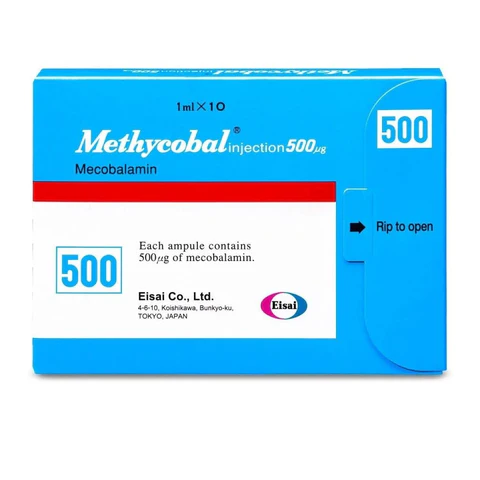
When people hear the name Methycobal, they often assume it’s just another vitamin supplement. But in reality, Methycobal plays a far more significant role in neurological health and overall body function. Whether you’ve been prescribed it for nerve pain or vitamin B12 deficiency, understanding how it works can help you use it more effectively and safely.
In this detailed guide, we’ll break everything down in a simple yet expert-level way — from what Methyc obal actually is to its benefits, dosage, side effects, and precautions.
What Is Methycobal and How Does It Work?
Methycobal is a brand name for methylcobalamin, which is one of the active forms of vitamin B12. Unlike some other B12 forms that must be converted in the body, methylcobalamin is already in its bioactive state. This means your body can use it directly without additional chemical changes.
Vitamin B12 plays a crucial role in nerve function, red blood cell formation, and DNA synthesis. When your body lacks B12, it can lead to fatigue, anemia, numbness, tingling, and even memory issues. Methy cobal helps correct this deficiency and restores normal physiological functions.
What makes methylcobalamin particularly valuable is its role in maintaining the myelin sheath — the protective covering around nerves. When this sheath gets damaged, nerve signals slow down or misfire, causing pain or numbness. Methy cobal helps repair and regenerate nerve tissues, making it especially useful in neuropathy and nerve-related disorders.
Medical Uses of Methycobal

Methycobal is commonly prescribed for a variety of medical conditions, especially those linked to vitamin B12 deficiency and nerve damage.
One of its primary uses is in treating peripheral neuropathy. This condition often occurs in people with diabetes, where prolonged high blood sugar damages nerves. Patients typically experience burning sensations, tingling, or numbness in the hands and feet. Methy cobal helps improve nerve conduction and reduces these uncomfortable symptoms over time.
It is also used in cases of megaloblastic anemia, a type of anemia caused by vitamin B12 deficiency. In this condition, red blood cells are abnormally large and function poorly. Methy cobal supports healthy red blood cell formation and corrects the underlying deficiency.
Additionally, doctors may prescribe Methycobal for certain neurological disorders, including memory problems and nerve injuries. In some cases, it is recommended for patients recovering from nerve compression or surgery to support nerve regeneration.
Benefits of Methycobal for Nerve Health
When it comes to nerve repair and maintenance, Methycobal stands out compared to many other supplements.
First, it supports nerve regeneration. Damaged nerves need specific nutrients to rebuild their structure, and methylcobalamin provides the necessary biochemical support. Over time, this can improve sensation and reduce discomfort.
Second, Methycobal enhances nerve signal transmission. Proper nerve communication is essential for movement, sensation, and reflexes. By maintaining the integrity of nerve cells, Methycobal ensures that electrical impulses travel efficiently through the nervous system.
Third, it reduces symptoms associated with nerve damage, such as numbness, tingling, and weakness. While it is not an instant painkiller, consistent use can significantly improve quality of life in patients with chronic neuropathy.
Dosage and Administration
The dosage of Methycobal varies depending on the condition being treated and the severity of deficiency.
For vitamin B12 deficiency, doctors often prescribe oral tablets ranging from 500 mcg to 1500 mcg per day. In more severe cases, especially where absorption is compromised, injectable forms may be recommended. Injections are usually administered intramuscularly and may be given several times a week initially.
Patients with diabetic neuropathy are commonly prescribed higher daily doses for extended periods. However, the exact dosage should always be determined by a healthcare professional, as self-medicating can lead to imbalance or unnecessary supplementation.
It’s important to take Methycobal consistently and follow medical advice closely. Skipping doses or stopping prematurely may reduce its effectiveness, particularly in chronic conditions.
Possible Side Effects and Safety Profile
Methycobal is generally considered safe when used as prescribed. Since it is a form of vitamin B12, the risk of toxicity is extremely low because excess amounts are usually excreted through urine.
However, some individuals may experience mild side effects. These can include nausea, diarrhea, headache, or skin rash. In rare cases, allergic reactions may occur, presenting as itching, swelling, or difficulty breathing. Immediate medical attention is required if severe allergic symptoms appear.
Patients with certain medical conditions, such as Leber’s disease (a hereditary eye disorder), should avoid high doses of vitamin B12 unless specifically directed by a physician. Always inform your doctor about other medications or supplements you are taking to avoid potential interactions.
Overall, Methycobal has a strong safety record and is widely used in clinical practice across the world.
Who Should Consider Taking Methycobal?
Methycobal is particularly beneficial for individuals at risk of vitamin B12 deficiency. This includes vegetarians and vegans, since vitamin B12 is primarily found in animal-based foods. Older adults are also more prone to deficiency due to decreased absorption capacity.
People with gastrointestinal disorders such as Crohn’s disease or those who have undergone gastric surgery may struggle to absorb B12 efficiently. In such cases, supplementation becomes necessary.
Diabetic patients suffering from neuropathy often see noticeable improvement with consistent Methycobal use. Additionally, individuals experiencing unexplained fatigue, numbness, or cognitive decline should consult a doctor to check their B12 levels before starting supplementation.
Methycobal vs Other Forms of Vitamin B12
Not all vitamin B12 supplements are the same. The most common forms include cyanocobalamin, hydroxocobalamin, and methylcobalamin.
Cyanocobalamin is a synthetic form that must be converted into active forms within the body. While effective, some experts prefer methylcobalamin because it is already bioactive and directly usable.
Hydroxocobalamin is often used in injections and has a longer retention time in the body. However, for nerve-specific benefits, methylcobalamin is generally considered superior due to its direct involvement in neurological pathways.
Choosing the right form depends on individual health needs, absorption capability, and medical advice.
Final Thoughts: Is Methycobal Worth It?
Methycobal is more than just a vitamin supplement — it is a medically valuable therapy for nerve health and vitamin B12 deficiency. Its bioactive nature allows it to work efficiently in repairing nerve damage, supporting red blood cell production, and improving overall neurological function.
When used under medical supervision, Methycobal offers significant benefits with minimal risk. Whether you are dealing with neuropathy, anemia, or simply low B12 levels, this supplement can play a crucial role in restoring balance and improving quality of life.