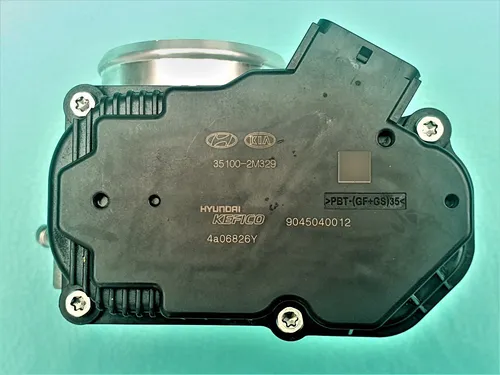
In today’s data-driven environment, numbers often carry more meaning than we initially assume. A sequence like 3510183292 might look like a random string of digits at first glance, but in many systems—especially digital platforms, telecommunications, logistics, databases, and analytics—such numbers frequently act as unique identifiers. These identifiers help systems organize, track, and manage enormous volumes of information efficiently.
As digital infrastructure expands, numeric codes like 3510183292 play an increasingly important role in how technology functions behind the scenes. They can represent anything from a tracking ID, database record, device identifier, account reference, or even a coded entry in an automated system. Understanding how these numbers work provides insight into how modern digital ecosystems maintain accuracy and organization.
In this article, we’ll explore the possible significance of 3510183292, why numeric identifiers matter, how they are structured, and the role they play in modern technological systems.
What Is 3510183292 and Why Numbers Like It Matter
At a basic level, 3510183292 represents a long numeric sequence that could function as a unique reference number in a digital system. Many industries rely on identifiers like this to distinguish one piece of information from another. For example, databases containing millions of records require unique keys so that each record can be retrieved without confusion.
Numeric identifiers are particularly useful because they are simple for machines to process. Compared to long text strings, numbers are easier for systems to index, search, and store efficiently. A sequence such as 3510183292 could easily serve as a database primary key, ensuring that every record associated with it remains unique.
Another reason numbers like this matter is scalability. As organizations grow, their databases expand rapidly. Numeric identifiers provide a straightforward method for expanding record systems without running out of combinations. A 10-digit number such as 3510183292 allows billions of potential variations, making it suitable for very large data environments.
How Numeric Identifiers Are Used in Modern Technology
Numeric identifiers are a core part of many technologies we interact with every day. Systems ranging from online shopping platforms to mobile networks rely on them to keep operations organized. A number like 3510183292 might represent a transaction ID, shipment number, customer record, or device reference depending on the system.
In logistics and shipping, for instance, long numeric codes are used to track packages across multiple checkpoints. Each number corresponds to a specific shipment record in a database. When scanned at different stages, the system updates the shipment’s status using that identifier. If 3510183292 were used in such a system, it could represent a package being tracked across different distribution centers.
Telecommunications systems also rely heavily on numeric identifiers. Mobile devices, SIM cards, and network sessions all use internal numbers to maintain communication integrity. These identifiers ensure that the correct signals are routed to the correct device, preventing interference or misdirected connections.
The Structure Behind Long Numeric Codes
Although 3510183292 appears random, many numeric identifiers actually follow structured formats. Organizations often design numbering systems that embed specific information within the digits themselves. For example, certain segments might represent geographic regions, system types, or chronological sequences.
In some database systems, the first few digits indicate a category or system origin. The middle digits might represent the date or batch number when the record was created, while the final digits serve as a sequential counter. If 3510183292 followed this pattern, each section of the number could have a specific meaning tied to system logic.
Another structural method involves algorithmic generation. Systems may create identifiers using mathematical formulas or hashing algorithms to guarantee uniqueness. This prevents duplication and ensures that each number—like 3510183292—exists only once within a given dataset.
These structural approaches make numeric identifiers reliable and predictable for system engineers while still appearing random to outside observers.
Why Unique Identifiers Are Critical for Data Management
Data management would be nearly impossible without unique identifiers. Imagine trying to retrieve a specific record from a database containing millions of entries without a unique key. Numeric identifiers such as 3510183292 make it possible to locate, update, and manage records instantly.
One major advantage is data integrity. When each record has its own identifier, the system can prevent accidental duplication or overwriting. For example, if two users attempted to create similar entries, the system would still treat them as separate records because each has a unique numeric code.
Another benefit is efficient data retrieval. Database indexes are typically optimized for numeric searches. This means systems can locate the record associated with 3510183292 in milliseconds, even if the database contains millions of other entries.
Additionally, unique identifiers simplify integration between different systems. When multiple platforms share data, they often rely on a common reference number to maintain consistency. In such cases, a number like 3510183292 acts as the bridge connecting records across different databases.
Security and Privacy Considerations
While numeric identifiers provide efficiency, they also raise certain security considerations. If identifiers like 3510183292 are predictable or sequential, malicious actors may attempt to guess them to access restricted information. This is why many modern systems generate identifiers using randomized algorithms.
Randomized identifiers reduce the chances of someone successfully predicting the next valid number in a sequence. For example, if 3510183292 were generated through a randomization process, it would be extremely difficult to replicate or anticipate.
Another important aspect is data masking. In some systems, identifiers are intentionally separated from sensitive personal information. This means the number itself reveals nothing about the individual or record it represents. Even if someone encounters 3510183292, they would not be able to determine the associated data without proper system access.
Organizations also implement access controls and encryption to protect databases containing numeric identifiers. These measures ensure that identifiers remain useful for system operations while minimizing security risks.
The Future of Numeric Identifiers in a Data-Driven World
As technology continues to evolve, numeric identifiers will remain an essential component of digital infrastructure. Systems are becoming more complex, and the volume of data being generated is growing at an unprecedented rate. Numbers like 3510183292 will continue to help manage and organize this information efficiently.
One emerging trend is the integration of identifiers with distributed systems and cloud databases. In these environments, unique identifiers allow data to be synchronized across multiple servers around the world. Without them, maintaining consistency across distributed networks would be extremely challenging.
Another development involves combining numeric identifiers with advanced analytics. Data scientists often use these identifiers to track user behavior, system performance, and transaction flows. Over time, this data can reveal patterns that help organizations improve services and optimize operations.
Ultimately, identifiers such as 3510183292 represent more than just numbers—they are the backbone of digital organization. From databases and networks to logistics and analytics, these numeric sequences enable systems to function smoothly in an increasingly interconnected world.
Conclusion
While 3510183292 may appear to be a simple sequence of digits, numbers like it play a vital role in modern technology. They serve as unique identifiers that allow systems to manage data efficiently, maintain accuracy, and support large-scale digital operations.
From database management and telecommunications to logistics and analytics, numeric identifiers provide the structure needed to keep complex systems organized. Their ability to uniquely reference records ensures reliable data handling, faster retrieval, and seamless integration across platforms.